
The Ghana Coalition of NGOs in Water and Sanitation (CONIWAS) on Monday called for urgency in ensuring universal coverage of water, sanitation, and hygiene (WASH) services that are climate-resilient and sustainable.
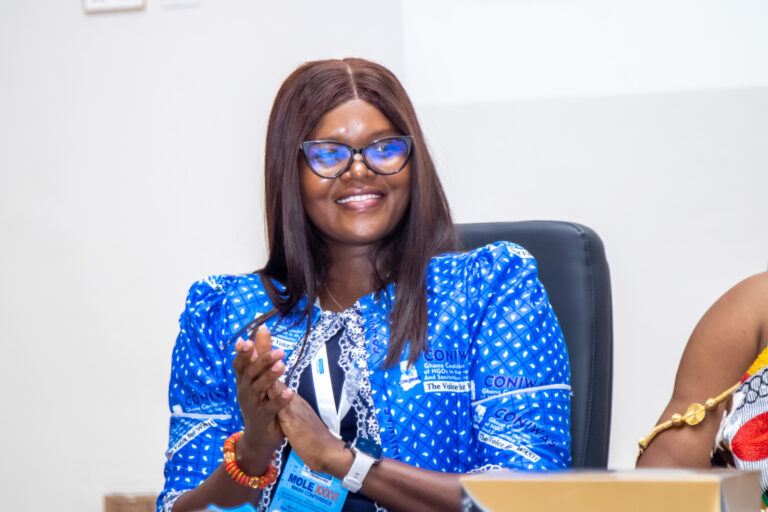
CONIWAS Chairperson Beata Awinpoka Akanyani said during the opening of the MOLE XXXVII National WASH Conference in Ada that the efforts must also include reaching the last mile, which includes people and places too often excluded from reliable services: deprived rural communities, small towns, peri-urban areas, and informal settlements in urban areas.
Akanyani said schools, health facilities, markets, and other public spaces are crucial rights holders in WASH service provision in accordance with the United Nations Sustainable Development Goals mantra of “Leaving No One Behind.”
“Our measure of success must be whether these communities experience tangible, lasting improvements in their daily lives,” she stressed.
What stands out for last-mile communities, according to the CONIWAS Chair, includes the lack of basic water for one out of four rural residents, with only 17 percent having access to safely managed water.
Moreover, she said the Local Government Ministry reported basic water at 96.4 percent for urban areas against 74.4 percent for rural areas, representing a 22-point gap.
“Rural hygiene has gone down with basic hygiene down from 36 percent in 2015 to 31 percent in 2024, and open defecation is concentrated in rural areas. The 2021 Census puts the national rate at 17.7 percent, 31.3 percent rural, and 8.9 percent for urban areas,” she noted.
The CONIWAS official lamented that most households still share toilets, as 2021 captured 74 percent of households lacking exclusive use of improved toilets.
“These figures should compel us to act with urgency, with fairness, and with a clear commitment to climate resilience,” she urged.
The theme for this year’s MOLE Conference is “Accelerating Climate-Resilient WASH Service Delivery for Last-Mile Communities: Options, Strategies, and Actions,” and the CONIWAS chair commended the government and its partners for the progress the country has made in the WASH sector and the landmark interventions that demonstrate a deepening political commitment to WASH.
She lauded the government for the decision to raise the District Assemblies Common Fund allocation for WASH to 20 percent, with 10 percent for potable water and 10 percent for environmental sanitation.
“This bold step recognizes the central role that local government must play in improving WASH outcomes,” Akanyani added.


